How Patty Boys Launched Digital Menu Boards With Decker on Day One

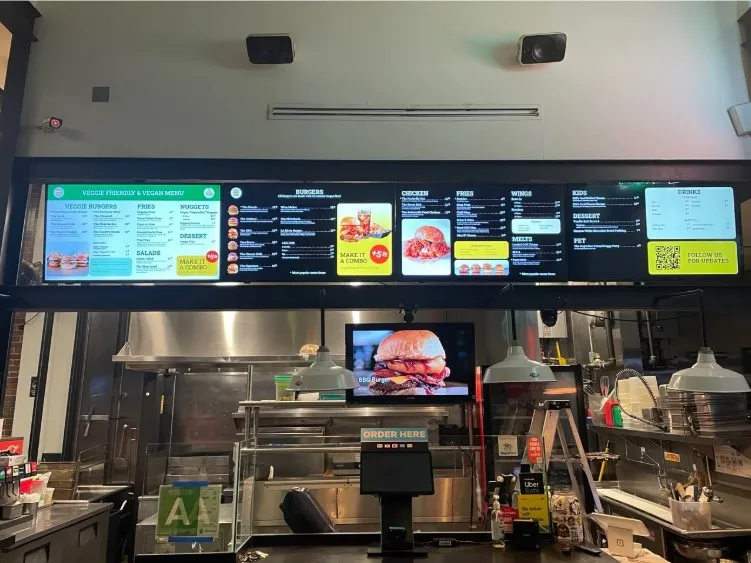
Patty Boys runs digital menu boards on Decker in its Los Angeles restaurant: the team edits prices, menu items, promos, and visuals in one interface, and the update reaches every TV screen without printing, contractors, or USB uploads. The restaurant had menu control from day one.
About the client: Patty Boys
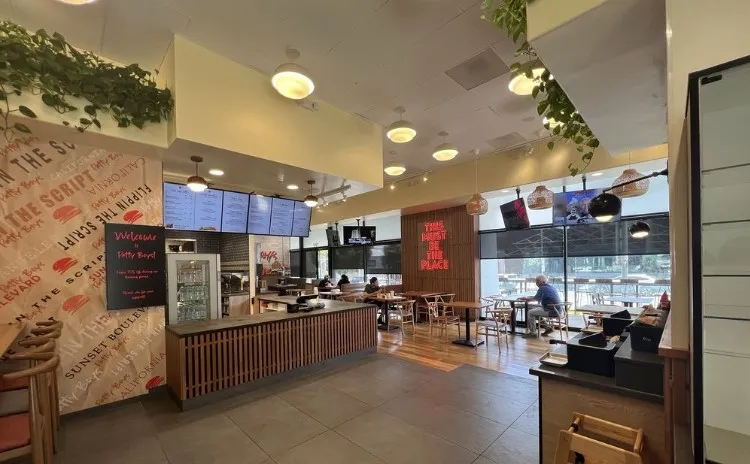
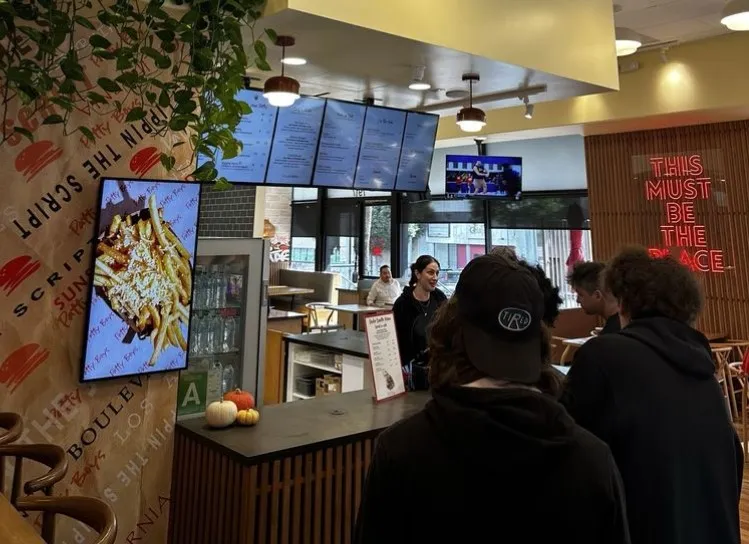
Patty Boys is a fast casual burger restaurant at 7917 W Sunset Blvd in Los Angeles. It operates as a quick-service restaurant with seating, where the guest orders at the counter, chooses a burger style, selects a patty, and adds sauces or extras before ordering at the counter, and can eat in.
The restaurant launched as a new project from scratch. From the start, the team was betting on a modern guest experience, a clear set of choices at the counter, and operational efficiency without extra manual steps.
The Patty Boys menu fits a digital format. On its official site, the restaurant shows 5 patty types, several serving styles, chef’s picks, sauces, and add-ons. A menu like this needs fast price changes, items removed or added, refreshed visuals, and promos launched without waiting on a designer, a print shop, or an outside contractor.
In a fast casual format, digital menu boards for QSR become part of service speed, because the guest chooses right at the counter while the team needs to test new dishes and offers quickly.
What the client wanted
Patty Boys wanted to avoid the old menu model before it even opened, because printing, contractors, and USB uploads slowed down every change.
The team had already dealt with traditional menu formats in other projects. Printed menus had to be reprinted after every edit. Updates depended on contractors and took time. USB-based solutions for loading content were inconvenient and unstable.
For a new restaurant, limits like these would have become an operational problem. Any change to a price, an item, or a promo would move slowly, and staff would not be able to manage the menu on the TV screens on their own.
Project goals
The Patty Boys team defined 4 goals for the restaurant’s launch:
- Connect the digital screens to centralized management
- Let the team edit the menu without designers and contractors
- Speed up changes to prices, items, promos, and visuals
- Keep the system simple and clear for staff
The main goal was not replacing a paper menu with screens. Patty Boys needed a flexible process in which the restaurant manages its own menu display and does not depend on outside contractors for every edit
How the project was implemented
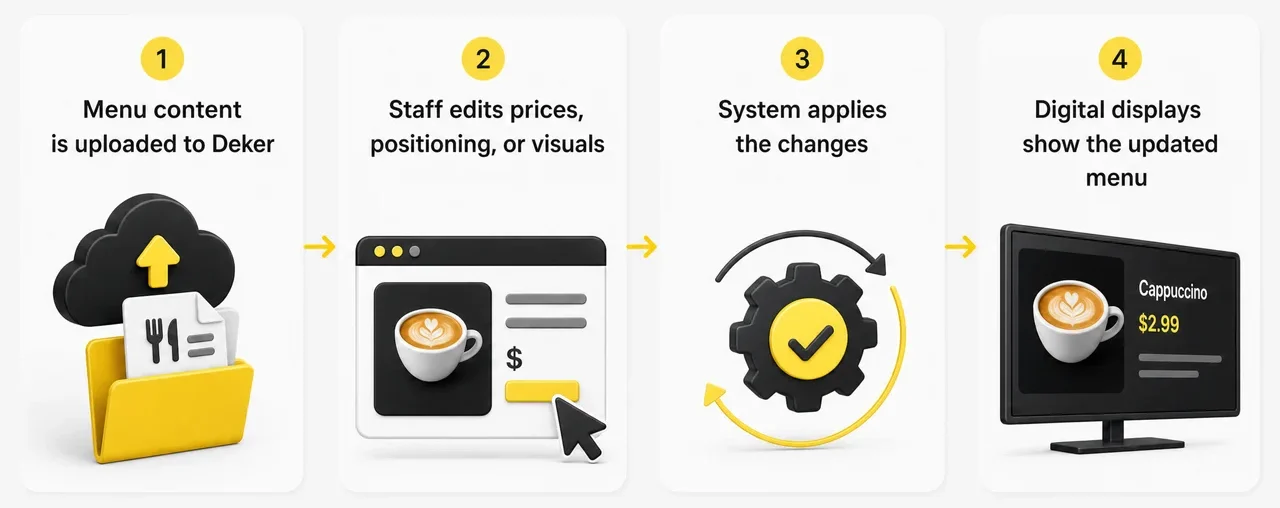
Decker connected the Patty Boys TV screens to a single interface where the team edits the menu, prices, items, promos, and visuals without USB.
As a digital signage platform, Decker replaced printed menus, manual file handoffs, and content loading from flash drives. A manager or a restaurant employee can update a price, add a new item, remove a dish that is unavailable, or swap a visual directly in the system.
Decker applies the change across all TV screens in the restaurant automatically. For the team, that means the menu does not have to be rebuilt by a contractor, printed again, or carried to the screen on a physical drive.
In this project, content management on screens became part of the restaurant opening rather than a separate fix added later. Patty Boys built a digital menu model from the start, one that matches the speed of the fast casual format.
How it works at Patty Boys now
A Patty Boys employee uploads the menu to Decker and changes a price, an item, or a visual in the interface.
When the restaurant adds a new burger, tests a promo, or changes a price, the team makes the edit in the system. After publishing, the change appears on the screens with no printing, no USB upload, and no separate design work.
Digital menu boards let the restaurant test new offers faster. The team can launch a dish, refresh a visual, change a promo, and see the current menu in the dining room right away.
Results
Patty Boys got managed digital menu boards from the restaurant’s first day of service and dropped printed menus, USB uploads, and waiting on contractors.
The project delivered seven operational improvements:
- The team gained full control of the menu without third-party contractors.
- Information on the screens now updates as soon as the edit is made in the system.
- Printed menus left the core update process.
- USB content loading is no longer needed to change the screens.
- The restaurant avoided recurring reprinting and manual menu-preparation costs.
- New items and promos now launch faster.
- The team reduced the risk of errors tied to manual file handoffs and outdated menu versions.
The main outcome for Patty Boys is that the restaurant launched a digital menu model at opening. Decker helped the team manage prices, items, promos, and visuals in one process that suits a fast guest flow and the testing of new offers.
Before and after
Patty Boys built a digital menu model on Decker from the restaurant’s first day of service, dropping printing, contractors, and USB uploads.
| Traditional setup avoided | Patty Boys setup with Decker |
|---|---|
| ❌ the menu depended on printing, contractors, and USB content uploads | ✅ the team gained full control of the menu without third-party contractors |
| ❌ changes reached the screens only after a file was prepared manually | ✅ information on the screens updates as soon as the edit is made in the system |
| ❌ printed menus required a reprint after every edit | ✅ printed menus left the core update process |
| ❌ updating the screens depended on USB content uploads | ✅ USB content loading is no longer needed to change the screens |
| ❌ reprinting and manual menu prep created extra costs | ✅ the restaurant cut operating costs for reprinting and menu prep |
| ❌ launching new items and promos was slow because of contractors | ✅ new items and promos now launch faster |
| ❌ manual file handoffs created the risk of outdated menu versions | ✅ the team reduced the risk of errors with manual file handoffs and menu versions |
Testimonial

Decker gave our team one place to plan promos, update menu items, and keep content consistent across the screens from day one. We dropped printed menus, USB files, and contractors — the staff now handles every change inside a single process.